
 English
 Türkçe
 Русский
 Українська
 Español
 Français
 Deutsch
 中文
中文
 Български
 Română
 Ελληνικά
 हिन्दी
 Indonesia
 Italiano
 日本語
日本語
 Melayu
 Nederlands
 Norsk
Norsk
 Polski
 Português
 Српски
 Svenska
 العربية
 فارسی
فارسی
Best Things to Do in Fatih: A Local Walking Tour of Istanbul’s Old City

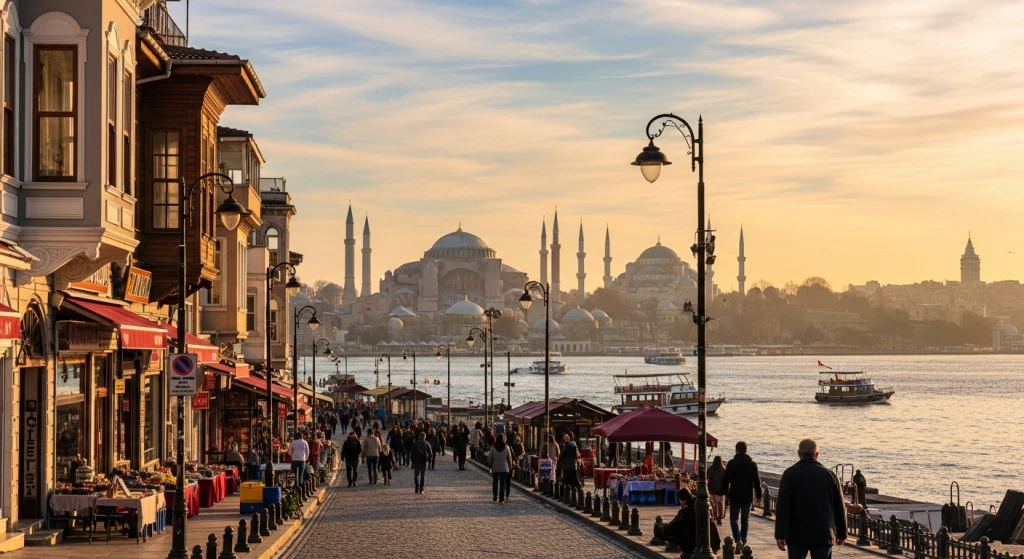
Best Things to Do in Fatih: A Local Walking Tour of Istanbul’s Old City
Fatih is where Istanbul feels oldest, densest, and most alive. This is the district where the city’s layered history is not something you visit from a distance; it is part of the streets, the daily rhythm, the skyline, and even the smell of fresh bread drifting from neighborhood bakeries. If you want to understand Istanbul beyond the postcard views, a walk through Fatih is one of the best places to start.
The easiest way to experience it well is on a guided route like the Walking Tour Of The Old City, which brings together the essential landmarks, backstreets, and cultural context that make the area so rewarding. Instead of rushing between sights, this kind of tour lets you move at the pace of the neighborhood itself.
Why Fatih Is Different from the Rest of Istanbul
Fatih is not just “the old town.” It is the historic core of Istanbul, shaped by Roman, Byzantine, and Ottoman layers that still influence how the district looks and works today. You will notice it in the architecture, of course, but also in the way people use the streets: markets open early, courtyards stay busy, and the area around major monuments still feels like a living part of the city rather than a museum zone.
That is why walking is the best way to explore here. Cars can only show you fragments, but on foot you can follow small details that define the district: fountain inscriptions, tiled entrances, the call to prayer crossing over stone courtyards, and the sudden opening of a square after a narrow lane. Fatih rewards slow travel.
Start with the Landmarks, Then Let the Streets Lead You
Most first-time visitors come for the famous monuments, and for good reason. Fatih includes some of Istanbul’s most important historical sites, and seeing them on a walk helps connect the big stories to the local setting. A guided old-city route is especially useful because it helps you understand how each site fits into the city’s larger timeline rather than treating each one as a separate stop.
If you prefer a more personalized pace, the istanbul Private Old City Tour is a strong option for travelers who want to spend more time at specific monuments, ask questions freely, or linger in quieter corners. For many visitors, a private format makes Fatih easier to absorb, especially if it is your first deep visit to Istanbul’s historic center.
Best Things to Do During a Walking Tour in Fatih
1. Explore the old streets between major sites
The real charm of Fatih often appears between the famous stops. Narrow streets lined with small workshops, tea houses, and neighborhood shops reveal how people actually live here. This is one of the most satisfying parts of a walking tour: you are not only collecting sights, you are reading the city through its everyday life.
2. Pause in courtyards and squares
Fatih has a surprising number of small public spaces where you can stop, watch local movement, and take in the scale of the district. These pauses matter. Istanbul’s old center can feel intense, and the best tours build in time to rest, orient yourself, and notice details you would miss if you were rushing from one attraction to the next.
3. Pay attention to the food culture
Although this is not a restaurant-focused neighborhood guide, Fatih is one of the best places in Istanbul to notice local food routines. Look for simit sellers, bakeries with trays coming out of the oven, and tea served in small glasses throughout the day. Even a short break for a snack can give you a much stronger sense of place than a full meal in a touristy area.
4. Visit at the right time of day
Morning is ideal if you want softer light, cooler temperatures, and fewer crowds. Late afternoon is also pleasant, especially if you enjoy watching the district transition into evening. Midday can be busy and warm, so plan your walking route with comfortable pacing and plenty of water. Good shoes are essential, as the old streets are not always perfectly flat.
How to Make the Most of an Old City Tour
A focused walking tour is especially useful in Fatih because the district is dense with history and easy to underestimate from a map. The Walking Tour Of The Old City helps you move through the area in a structured way, so you spend less time figuring out logistics and more time appreciating what you are seeing.
If you are planning several days in Istanbul and want to go beyond a single route, it is also worth looking at the wider range of Istanbul Private Tours. That can be a smart choice for travelers who want to combine Fatih with other parts of the city without losing the local feel that makes the old center so memorable.
Practical Tips for Walking Fatih
Wear comfortable shoes with good grip, because old pavements, gentle hills, and uneven stones are part of the experience. Dress modestly if you plan to enter religious sites, and keep a light layer with you in cooler months. Carry cash for small purchases, though cards are widely accepted in many places. Most importantly, allow more time than you think you need; Fatih is best enjoyed when you are not watching the clock too closely.
It also helps to stay mentally flexible. A good walking tour in Istanbul is not only about checking off landmarks, but about noticing how the city breathes between them. You might spend extra time in one courtyard, take a small detour through a quiet lane, or stop to look back at a view you would have missed from a vehicle. That kind of slow discovery is exactly what makes Fatih special.
Why This Is One of Istanbul’s Most Rewarding Experiences
Fatih offers something many parts of Istanbul cannot: a concentrated, walkable encounter with the city’s full historical depth. It is not polished in the modern sense, and that is part of its appeal. The district feels real, layered, and inhabited. On a well-designed old city walk, you get the structure you need and the freedom to enjoy the atmosphere at street level.
For travelers who want to understand Istanbul rather than just photograph it, Fatih is essential. Start with the Walking Tour Of The Old City, keep your pace relaxed, and let the neighborhood reveal itself one street at a time.
Our partners


