
 English
 Türkçe
 Русский
 Українська
 Español
 Français
 Deutsch
 中文
中文
 Български
 Română
 Ελληνικά
 हिन्दी
 Indonesia
 Italiano
 日本語
日本語
 Melayu
 Nederlands
 Norsk
Norsk
 Polski
 Português
 Српски
 Svenska
 العربية
 فارسی
فارسی
Bosphorus to Old Town: Top Ottoman Experiences in Istanbul’s Fatih

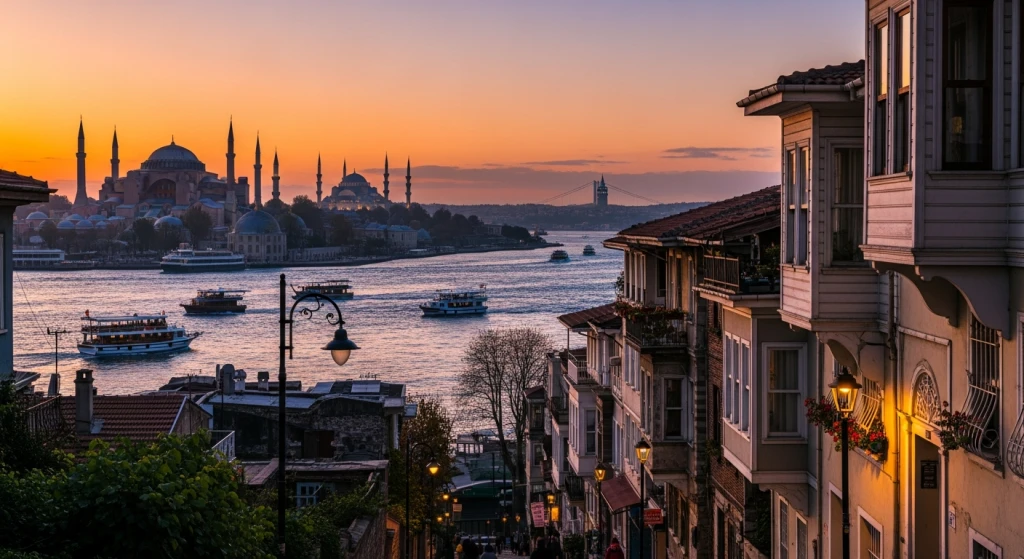
Bosphorus to Old Town: Top Ottoman Experiences in Istanbul’s Fatih
Istanbul’s Fatih district is where the city’s imperial story feels most alive. Here, the skyline still carries the memory of sultans, scholars, merchants, and sailors, while the streets between the Golden Horn and the old city walls continue to reveal layers of Ottoman life. If you want a travel experience that moves beyond sightseeing and into atmosphere, Fatih is the place to begin. It is also the ideal base for exploring a wide range of curated routes offered through Istanbul Tours, especially if you want to combine heritage, scenery, and local character in one memorable stay.
Among the most rewarding ways to understand the district is to follow the route of the empire itself: from the waterfronts shaped by trade and ceremony to the neighborhoods where Ottoman architecture, faith, and daily life still coexist. The standout option for this is the Bosphorus & Ottoman Relics tour, which brings together two essential sides of Istanbul: the elegant waters of the Bosphorus and the monumental legacy of the Ottoman era in Fatih.
Why Fatih Feels Like the Heart of Ottoman Istanbul
Fatih is more than a historical district. It is the former center of imperial power, intellectual life, and religious tradition. Unlike neighborhoods that present history as a museum piece, Fatih offers it in motion. You may pass a centuries-old mosque on the way to a lively market, or step out of a quiet courtyard and find yourself in a street full of local shops, bakeries, and schoolchildren. This contrast is exactly what makes the area so compelling.
The district is especially rich for travelers who enjoy a layered visit rather than a single landmark stop. Ottoman sultans left behind mosques, külliye complexes, madrasas, and charitable buildings that still define the urban fabric. Meanwhile, the Bosphorus adds a second dimension, reminding visitors that Istanbul was also an empire of sea routes, diplomacy, and trade. The best tours in Fatih connect these stories in a way that helps the city make sense.
A Scenic Start on the Bosphorus
Beginning with the Bosphorus is a smart way to experience Istanbul, because the water offers a broader view of the city’s historical geography. From the strait, you can appreciate how palaces, waterfront mansions, and strategic shorelines shaped the Ottoman imagination. The shoreline tells a different story than the interior streets of Fatih, but the two are deeply connected. The empire’s ceremonial life, elite residences, and commercial movement all depended on this channel between Europe and Asia.
This is where the Bosphorus & Ottoman Relics experience works especially well. It lets travelers see how imperial Istanbul was designed not only around monuments, but also around movement. You get the feeling that the city was built to be read from the water as much as from the street.
Ottoman Relics That Still Define the City
Once you move inland toward Fatih, the city becomes more intimate and architectural. Ottoman relics here are not isolated attractions; they are woven into neighborhoods that still function as living parts of Istanbul. Grand religious buildings, mausoleums, and educational complexes show how the Ottomans planned the city around devotion, learning, and charity. Even if you have visited Istanbul before, seeing these spaces with a guide or on a well-designed tour can change the way you understand the entire city.
What makes these relics especially compelling is the variety. Some sites impress with scale and symmetry, while others charm visitors with quieter craftsmanship: tiles, calligraphy, domes, and courtyards that invite you to slow down. For travelers interested in a broader Ottoman perspective, these are the details that make Fatih unforgettable.
Expand the Journey Beyond One District
Fatih is an excellent starting point, but it also works beautifully as part of a wider Istanbul itinerary. If your trip allows for a fuller regional experience, the city’s curated tours make it easy to extend your understanding of Ottoman history beyond the old center. For instance, Green Bursa offers a meaningful contrast, linking Istanbul with one of the early Ottoman capitals and its serene, historic atmosphere.
For a completely different kind of cultural lens, the Istanbul Jewish Heritage Tour adds important depth to your view of the city. Istanbul’s history is not only Ottoman and Islamic; it is also shaped by centuries of coexistence, migration, and community life. Exploring that side of the city helps you appreciate how diverse the imperial capital really was.
If your travel style leans toward experiences you can taste as well as see, Cooking A La Turka is a rewarding complement to heritage touring. Ottoman culture lives strongly in the kitchen, and learning local cooking traditions can make your visit feel more personal and memorable.
Practical Tips for Visiting Fatih
Fatih is best enjoyed at a comfortable pace. Wear walking shoes, dress modestly if you plan to enter mosques, and allow time for unexpected pauses. Some of the district’s best moments come from wandering between landmarks, stopping for tea, or simply observing daily life around a historic square. Mornings are often calmer for sightseeing, while later afternoons can be ideal for atmosphere and photography, especially when the light softens over domes and minarets.
It is also wise to plan a route that balances indoor and outdoor time. Istanbul’s weather can shift quickly, and historic neighborhoods are best experienced without rushing. A tour that combines the Bosphorus with Ottoman sites is especially helpful because it structures the day around both scenic variety and historical context.
Why This Experience Stands Out
For many visitors, Fatih becomes the place where Istanbul finally feels connected. The Bosphorus gives the city elegance and scale, while the Ottoman relics in the old town provide depth and continuity. Together, they explain why Istanbul remains one of the world’s great historic capitals. The story is not simply in one monument or one district; it is in the relationship between the water, the hills, the mosques, and the streets.
If you are looking for an experience that brings all of that together, the Bosphorus & Ottoman Relics tour is one of the most rewarding choices in the city. It offers a clear, inspiring introduction to Ottoman Istanbul while leaving room for curiosity, discovery, and a deeper appreciation of Fatih’s living heritage.
Our partners


